
How much capital you really need to trade

How much capital you really need to trade

The Basics of Trading Capital

Understanding how much capital you need to start trading is crucial for anyone entering the financial markets. The amount differs based on the financial instruments you choose, your risk tolerance, and your trading strategy. Unlike other investments, trading offers the flexibility to start with modest amounts, but it’s important to be well-informed before taking the plunge.

Factors Influencing Your Initial Capital

It’s essential to consider several factors when determining your starting capital for trading. Notably, the type of asset, the trading platform’s requirements, and your risk management strategies play a significant role.

Asset Type

The type of asset you wish to trade—stocks, forex, options, or cryptocurrencies—will significantly affect how much capital you’ll need. For instance, trading in stocks generally requires more capital than trading in forex due to the different margin requirements and market dynamics. Each asset type has its own set of rules, and understanding these is crucial.

Brokerage Requirements

Many brokerage firms have specific minimum deposit requirements. These minimums can vary widely, often depending on the type of account and the services offered. Some brokers might allow you to start with no minimum deposit for a basic account, while others may expect at least $500 or more for accounts with better features.

Risk Management

Effective risk management is a cornerstone of successful trading. Generally, it is advisable to risk only a small percentage of your total capital on any single trade. This strategy helps protect against significant losses and ensures longevity in the trading arena. For instance, risking 1-2% of your capital per trade is a common guideline among traders. For more detailed strategies, consider exploring various risk management techniques.

The Role of Leverage

Leverage allows traders to control a larger position size than what they could with their available capital alone. While leverage can amplify gains, it equally increases the risks. As such, understanding how leverage works and choosing an appropriate level can greatly influence the amount of capital you initially require.

Understanding Margin

Using leverage means trading on margin, where you essentially borrow funds from your broker to increase your buying power. However, this requires maintaining a margin account and understanding the associated risks. Brokers typically have rules pertaining to margin calls and maintenance requirements, which must be thoroughly comprehended before trading with leverage.

Determining Your Capital Requirement

Determining the amount of capital to start with largely depends on your personal financial situation and trading goals. Here are a few considerations:

Short-Term vs. Long-Term: If you plan on short-term trading, also known as day trading, the capital requirements might be higher due to the need for frequent transactions, each incurring commissions and fees. Long-term trading may allow for a smaller initial capital but requires patience and a different strategic approach.

Goals and Expectations: Your financial goals will also play a role. Whether you are looking to supplement your income or make trading your primary source of earnings, having realistic expectations and aligning them with your available capital is vital.

Conclusion

While there is no one-size-fits-all answer to how much capital you need to start trading, careful consideration of the factors listed above can guide you in making an informed decision. Balancing between risk and potential reward is key to determining a suitable starting capital. As a potential trader, investing time in education and risk management is as invaluable as the capital itself.

Psychological Factors and Trading Capital

Aside from the obvious financial considerations, psychological factors often play a substantial role in how you manage your trading capital. Emotions such as fear and greed can lead to impulsive decisions and undermine otherwise sound strategies. Maintaining discipline and sticking to a predefined plan is crucial for protecting your capital.

Emotional Discipline: One of the most challenging aspects for new traders is emotional discipline. The ability to stick to a trading plan without deviation due to emotional highs and lows can safeguard your capital over the long run. Proper training, simulation and demo trading accounts can help in preparing emotionally before engaging in real trades.

Educational Investments

While talking about capital, one should not overlook the capital invested in education. Understanding market dynamics, learning technical and fundamental analysis, and mastering trading platforms can significantly influence your capital requirement. A well-informed trader can often start with less capital due to the precision and efficiency in trading decisions.

Educational resources range from free online courses and webinars to specialized training programs and certifications. Although these resources can initially add to the capital outlay, they are essential for long-term success and can minimize costly mistakes due to lack of knowledge.

Technology’s Role in Trading Capital Management

Technology has introduced numerous tools to aid in managing and optimizing trading capital. Platforms today come equipped with advanced analytics, automated trading options, and real-time data, allowing even novice traders to make informed decisions. The technological landscape offers features such as:

Automated Trading Systems: These systems can execute trades automatically based on pre-set criteria, helping in mitigating emotional trading and ensuring adherence to trading strategies.

Algorithmic Trading: Utilizing algorithms to analyze multiple market variables and execute trades can offer efficiencies in capital deployment and management.

Mobile Trading: Access to trading platforms on mobile devices ensures that you can monitor and manage your capital at all times, adding a layer of convenience and flexibility in trading operations.

Adapting to Market Changes

Financial markets are dynamic and ever-evolving. Traders need to be adaptable and ready to adjust their capital management strategies in response to changing market conditions. Being inflexible can leave you exposed to unforeseen risks and impact your capital adversely.

Market Awareness: Regularly staying informed about market news, economic indicators, and geopolitical events allows traders to anticipate market movements and adjust their strategies accordingly. This awareness can guide decisions on when to increase or decrease trading capital or explore new asset types.

Re-Evaluation of Strategies: Periodically re-evaluating and refining trading methodologies can uncover areas for improvement, effectively managing capital and reducing exposure to unnecessary risks. Frequent strategy audits enable timely adjustments tailored to current market conditions.
Position sizing rules for smaller trading accounts

Position sizing rules for smaller trading accounts

Understanding Position Sizing for Smaller Trading Accounts

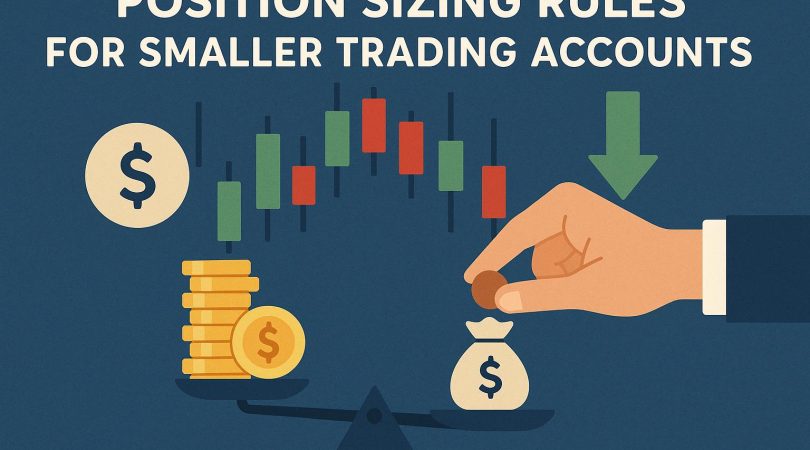
Position sizing is a critical aspect of trading that can significantly impact your overall performance, especially when dealing with smaller trading accounts. Proper position sizing helps in minimizing risks and maximizing returns. This article delves into the rules and strategies essential for effectively managing position sizes in smaller trading accounts.

Importance of Position Sizing

Position sizing refers to the determination of the number of units to be purchased or sold in any individual trade. It’s essential because it directly affects the potential risk and reward of a trade. For smaller accounts, even a single poorly sized position can lead to substantial losses, making it crucial to adopt strategies that are both risk-averse and growth-oriented.

Risk Management Basics

Before diving into specific techniques for position sizing, it’s essential to understand the basics of risk management. Generally, it is recommended not to risk more than a small percentage of your trading capital on a single trade. Many traders adhere to the 1-2% rule, which means risking only 1-2% of the total account value per trade. This limits potential losses and preserves capital for future opportunities.

Effective risk management also incorporates setting clear financial goals and using tools like stop-loss and take-profit orders. These tools help automate part of the trading process, providing a framework for thinking strategically about risk and avoiding emotional decision-making. By setting these parameters in advance, you ensure a disciplined approach, helping to prevent hasty decisions in the heat of market fluctuations.

Calculating Position Size

The process of determining the correct position size involves a few key steps:

Determine Your Risk Per Trade: Decide the percentage of your account you’re willing to risk. For small accounts, it is advisable to keep this percentage low. This framework ensures that no single trade can deplete your account significantly, providing a buffer for potential losses while maintaining capital for subsequent trading opportunities.

Identify the Trade Setup: Determine the entry point and set a stop-loss level. The stop-loss is the price at which the position will be closed to prevent further loss. Setting a stop-loss at a logical point helps protect your account from significant drawdowns by automatically liquidating positions if the market turns against your trade.

Calculate the Dollar Amount at Risk: Multiply the value of your account by the percentage you’re willing to risk. For example, if your account is $5,000 and you risk 2%, your risk amount is $100. This calculation sets the foundation for future steps and ensures you’re aware of the maximum potential loss before entering a trade, fostering a risk-aware trading mindset.

Calculate the Position Size: Divide the dollar amount at risk by the distance from entry to stop-loss. This will give you the number of shares or contracts that you can trade on that position. Proper calculation of position size guarantees that you do not exceed your risk threshold, allowing for a calculated exposure to market movements.

Example Calculation

Suppose you decide to buy a stock at $50 with a stop-loss set at $48. Your risk per share is $2. If your account value is $5,000 and you risk 2% or $100, your position size would be:

Position Size = $100 / $2 = 50 shares

This example underscores the importance of detailed preparation and strict adherence to trading plans. The precise calculation of position size is not just a theoretical exercise but a practical step that helps cultivate a disciplined, systematic approach to trading.

Additional Strategies for Smaller Accounts

When managing smaller accounts, there are additional strategies to consider:

Diversification: Even with a small account, diversifying across different assets can help mitigate risk. Avoid putting all your funds into a single position. Diversification spreads risk across various trades or asset classes, reducing the impact of a single poor-performing asset on your overall portfolio.

Use of Stop-Loss Orders: Stop-loss orders are essential tools for controlling potential losses. They automatically exit a trade when the market moves against you to a certain point. Utilizing stop-loss orders ensures an automated level of risk management, safeguarding your account from significant declines in market value.

Leverage Management: While leverage can amplify potential returns, it can also magnify losses. Be cautious in using leverage, especially with smaller account sizes where the margin of error is limited. By managing leverage prudently, you maintain greater control over your risk exposure, securing your account from aggressive market movements that could otherwise erode your capital.

Continuous Learning and Adaptation: Markets are dynamic, and strategies that work at one time may not work at another. Continuously educate yourself and adapt to changing market conditions. Staying informed and flexible enhances your ability to navigate different market environments and capitalize on emerging opportunities.

The continual evaluation and refinement of your strategies enhance your adaptability and resilience in changing market conditions, allowing for sustained trading success over time.

Conclusion

Position sizing is a fundamental element of trading that can make or break your trading experience, particularly when dealing with smaller accounts. By adhering to disciplined position sizing rules and employing robust risk management techniques, traders can enhance their chances of success while minimizing potential losses. Understanding the principles of careful and calculated position sizing ensures a solid foundation for your trading endeavors, helping to ensure that your capital is protected while you seek growth opportunities in the financial markets. This disciplined approach complements ongoing education and strategy development, providing a structured way to manage risk while pursuing your trading objectives.

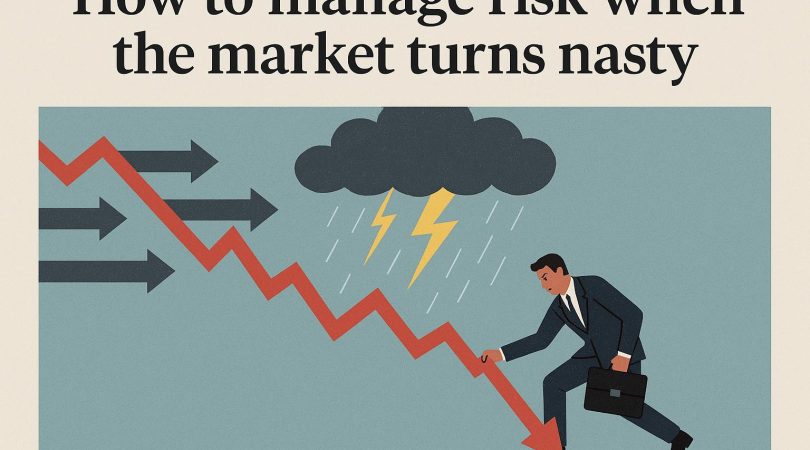
How to manage risk when the market turns nasty

How to manage risk when the market turns nasty

Understanding Financial Market Risks

The financial market is inherently volatile and unpredictable. Recognizing and effectively managing the risks associated with market downturns is crucial for investors and businesses alike. By understanding different types of risks and adopting strategic management practices, one can mitigate potential losses.

Diversification: Spreading Risk

Diversification is a fundamental strategy in risk management. By spreading investments across various asset classes and sectors, you can reduce the impact of a downturn in any single market segment. Diversification allows for a potential cushion against market volatility, ensuring that not all your investments are exposed to the same risks. For further insights on diversification strategies, you may find resources like Investment Guides helpful.

The primary benefit of diversification lies in its ability to mitigate risk. When an investor diversifies their portfolio across different sectors, industries, and even geographical locations, they essentially spread their risks. If one sector suffers a downturn due to specific economic conditions, another might prosper, thus balancing the overall impact on the investor’s portfolio. By adopting diversification, investors can potentially achieve more stable returns over time. It is critical to continuously assess the portfolio and rebalance as market conditions and personal financial goals evolve.

Assessing Investment Goals and Time Horizon

An investor’s investment goals and time horizon play a significant role in determining risk tolerance. Short-term investors might need to adopt more conservative strategies, such as focusing on bonds and fixed-income securities, to preserve capital during market downturns. Long-term investors, in contrast, can afford more exposure to riskier assets because they have time to recover from market dips.

The alignment of investment strategies with personal financial goals and time horizons is vital. Investors need to consider how soon they will need the funds they are investing. For example, if an individual is saving for retirement 30 years down the line, they might choose to allocate a significant portion of their portfolio to stocks, which have higher volatility but historically offer higher returns over a long period. Conversely, those approaching retirement might prefer more secure, income-generating investments.

Liquidity: Access to Cash

Maintaining sufficient liquidity is vital during adverse market conditions. Ensuring easy access to cash or liquid assets allows investors to meet financial obligations without being forced to sell investments at a loss. This can be particularly important during sharp market declines when asset values are depressed. Investors should evaluate their liquidity needs periodically and adjust their holdings to include liquid investments that can be quickly converted to cash.

Liquidity provides a cushion in volatile market periods. It is the availability of assets that can be easily sold with little impact on their value. Investors should strike a balance between holding liquid and non-liquid assets, ensuring they have enough immediate cash access to avoid selling long-term investments prematurely during financial exigencies. An emergency fund set aside in a highly liquid form can serve as a safety net and provide peace of mind.

Rebalancing: Maintaining Portfolio Health

Regularly rebalancing your portfolio helps maintain your desired asset allocation and risk exposure. As different investments grow at varying rates, your portfolio may become skewed, increasing your exposure to certain risks. Periodic rebalancing ensures that your investments align with your risk tolerance and financial goals.

Rebalancing involves realigning the weightings of a portfolio of assets. By buying and selling portions of the portfolio, the investor restores their original target allocation. For example, if an investor’s target allocation is 60% stocks and 40% bonds, and due to market performance, the portfolio becomes 70% stocks and 30% bonds, the investor would sell some stocks and buy bonds to bring the allocation back to its target. This process helps investors manage risk and adhere to their investment strategy.

Implementing Stop-Loss Orders

Stop-loss orders are an effective tool for protecting investments from substantial losses. By setting a predefined selling point, investors can automatically sell a security if its price falls to that level. This approach allows investors to limit potential losses while maintaining some exposure to the market’s potential gains.

Stop-loss orders serve as an insurance policy for investments, guarding against unexpected downturns. They offer a disciplined approach to selling stocks under predetermined conditions, assisting in minimizing emotions like fear or greed, which can interfere with rational decision-making. Implementing stop-loss orders as part of a broader risk management strategy can help cultivate longer-term investment success by preserving capital.

Staying Informed and Flexible

Keeping up-to-date with market developments and remaining flexible in your investment approach is essential during uncertain times. Reacting appropriately to new information and adjusting strategies as needed can help manage risks effectively. Subscribing to financial news outlets and analysis platforms is recommended for timely updates on market trends.

In a fast-paced financial environment, staying informed equips investors with the knowledge to make timely decisions. The economic landscape can change rapidly due to geopolitical events, policy changes, and other market forces. By remaining adaptable and well-informed, investors can pivot strategies effectively to safeguard their investments and capitalize on emerging opportunities.

Consulting Financial Advisors

For those uncertain about their risk management strategies, consulting with a certified financial advisor can provide valuable insights and personalized guidance. An advisor can help assess your unique financial situation and develop a tailored plan that aligns with your risk tolerance and goals.

Financial advisors bring expertise and objectivity to the investment process. They can offer diversified portfolio management, tax strategy planning, and retirement counseling. Engaging with a financial advisor provides an additional layer of confidence and professional oversight, ensuring that your strategies remain aligned with evolving personal financial objectives.

Successfully navigating financial markets requires not only an understanding of various investment principles but also a disciplined approach to risk management. Each investor’s journey is unique, shaped by personal financial situations, goals, and risk appetite. By incorporating the outlined strategies and staying vigilant, individuals can manage risks effectively while striving for their financial goals.

Risk to reward ratios and what they really mean

Risk to reward ratios and what they really mean

Understanding Risk to Reward Ratios

In the complex and ever-evolving arena of investing and trading, one of the fundamental concepts that both novice and seasoned investors strive to grasp is the risk to reward ratio. This pivotal financial metric is employed to evaluate the potential profitability of an investment in relation to the inherent risk that accompanies it. A thorough understanding of the risk to reward ratio can significantly enhance the decision-making processes for investors, guiding them toward more informed and strategic financial choices.

Defining the Risk to Reward Ratio

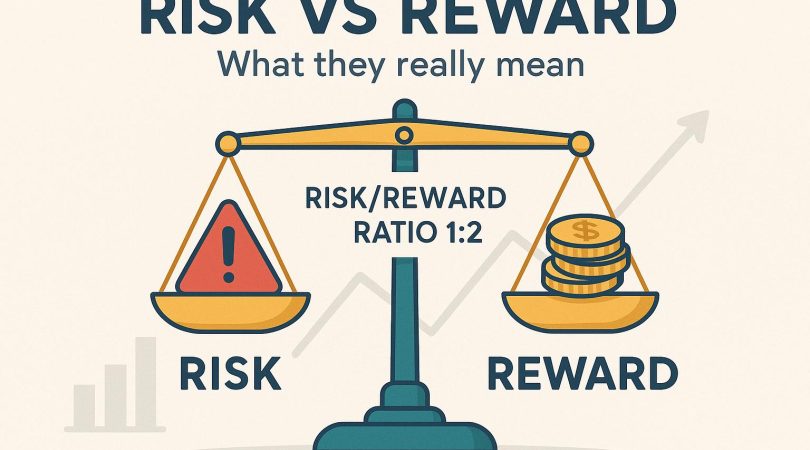
At its core, the risk to reward ratio is designed to compare the anticipated profit of a trade or investment with the possible loss. This ratio is most commonly illustrated in a colon format, for example, 1:3. In this illustration, the “1” signifies the level of risk assumed, while the “3” denotes the potential reward. To put this into context, a potential reward that is three times the risk signifies a 1:3 ratio. This foundational concept helps investors measure and manage the dynamics between risk and reward in any given investment scenario.

Importance of the Ratio

The risk to reward ratio holds a vital position in investment strategy as it arms traders with insights about the level of risk relative to expected returns. Having a favorable risk to reward ratio can be a linchpin for making better-informed investment decisions, thus enhancing the efficiency of portfolio management. Moreover, it acts as a crucial tool in aligning investment decisions with a trader’s broader risk tolerance and financial aspirations. As such, it aids in maintaining a harmonious balance between taking calculated risks and striving for profitable returns.

Basic Calculation

To arrive at the risk to reward ratio, investors must estimate two essential components: the potential loss (risk) and the potential gain (reward). Suppose an investor acquires a stock at $50, with a target to sell at $60 and a willingness to sell if it declines to $45. The calculation process is as follows:

– Potential Loss: Calculated as the price difference between the purchase price ($50) and the stop-loss price ($45), resulting in a $5 potential loss.
– Potential Gain: Determined as the price difference between the target selling price ($60) and the purchase price ($50), yielding a $10 potential gain.
– Risk to Reward Ratio: Expressed as $5:$10, which can be simplified to a 1:2 ratio.

By applying this method, investors can quickly ascertain whether a potential trade aligns with their risk tolerance and financial goals.

Interpreting Risk to Reward Ratios

High Ratio

A high risk to reward ratio often signals a potentially lucrative opportunity where the anticipated rewards are significantly greater than the risk undertaken. While such opportunities can present promising returns, they are typically accompanied by elevated risk levels, implying a lower likelihood of achieving the desired outcomes. Consequently, investors must carefully weigh these factors, taking into consideration their own risk tolerance and investment strategy.

Low Ratio

Conversely, a low risk to reward ratio suggests that the prospective gain is not as substantial when compared to the risk, often appealing more to risk-averse investors. This scenario usually indicates a higher probability of a successful outcome, albeit with more modest returns. In this context, investors who prefer steady and consistent gains might find lower risk to reward ratios more conducive to their financial goals.

Applications in Trading and Investment

In real-world applications, traders and investors utilize various strategies to pinpoint appropriate risk to reward ratios as part of their broader investment tactics. One popular method involves the use of technical analysis tools, such as support and resistance levels. These tools allow investors to set predefined conditions, like stop-loss and take-profit orders, thereby systematically managing risk and locking in potential profits.

Beyond individual investment opportunities, the risk to reward ratio is instrumental in shaping comprehensive portfolio management strategies. This metric enables investors to ensure that the overall risk-reward balance of their portfolio is aligned with personal financial targets and objectives. By doing so, investors can pursue a more cohesive and strategic approach to market participation, balancing their appetite for risk with potential returns.

Conclusion

In summary, mastering the risk to reward ratio is essential for any investor who aims to make prudent and informed decisions. By evaluating potential rewards against possible losses, investors can not only optimize their returns but also exercise more effective risk management practices. When incorporated into an overarching investment strategy, the risk to reward ratio promotes a more disciplined and thoughtful approach to succeeding in the financial markets. The insights gleaned from understanding this metric can guide investors toward achieving their financial aspirations while navigating the inherent challenges of uncertain market conditions.

Why win rate can trick traders

Why win rate can trick traders

Understanding Win Rate in Trading

In the realm of trading, the concept of win rate often draws significant attention from both novice and experienced traders. It is frequently considered a key performance indicator as it provides a quick glimpse into a trader’s ability to execute successful trades. However, relying solely on win rate can be misleading. Delving deeper into this metric’s implications is crucial for developing a comprehensive trading strategy that results in sustained success.

Defining Win Rate

The win rate in trading is a fundamental measure calculated by the ratio of successful trades to the total number of trades executed. For instance, if a trader engages in 100 trades and finds success in 60 of them, the win rate is determined to be 60%. This percentage offers a snapshot of a trader’s immediate performance in terms of trade execution. However, it is imperative to understand that this metric alone does not provide a complete picture of a trader’s long-term success or profitability.

The Limitations of Win Rate

A high win rate might initially appear attractive and indicative of a trader’s prowess, but it does not necessarily translate into profitability. One significant limitation of focusing on win rate alone is its ignorance of the size of wins relative to losses. For example, a trader might possess an impressive win rate; yet, if the losing trades outweigh the winning ones in terms of monetary value, the trader may still face significant losses. This reality underscores why relying solely on win rate can be deceptive for traders who desire a realistic view of their trading outcomes.

Risk-Reward Ratio Considerations

A critical component often overlooked by traders emphasizing win rate is the risk-reward ratio. The risk-reward ratio indicates the level of risk comparison against the potential reward for each trade performed. A trader may operate with a lower win rate but still achieve notable profitability if they maintain a favorable risk-reward ratio. For instance, consider a trader with a win rate of only 40%, but consistently applying a risk-reward ratio of 1:3. Such a trader could effectively achieve profitability over an extended period, showcasing the substantial role of the risk-reward ratio.

Psychological Impact

Trading is as much a psychological endeavor as it is a financial one. Traders may become overly fixated on maintaining a high win rate. This focus can lead to poor decision-making and potentially adverse trading habits. An example includes traders refusing to cut losses early in an attempt to maintain their win rate statistics. This behavior can lead to increased, more significant losses over time. Thus, it’s essential to recognize that not every trade must be successful for overall success in the trading landscape. Embracing both winning and losing trades with strategic management is crucial for long-term success.

Balancing Metrics for Effective Trading

To gain a more comprehensive view of trading performance, combining win rate analysis with other critical metrics is necessary for a balanced approach. These metrics can encompass the average profit per trade, maximum drawdown, and the aforementioned risk-reward ratio. The average profit per trade reveals the monetary profitability each trade brings on average, while maximum drawdown illustrates the most significant loss experienced between peak and trough during trading. Utilizing a combination of these indicators offers a broader perspective on the effectiveness of a trading strategy and provides deeper insights into performance.

Contextualizing the Multi-Metric Approach

Approaching trading with a multi-metric strategy encourages traders to look beyond the superficial and delve into the nuances that define a sustainably profitable strategy. It prevents traders from placing undue emphasis on a single performance metric, allowing them to better strategize in diverse market conditions. By understanding the strengths and limitations of each metric, including win rate, traders are better positioned to build robust trading frameworks that proactively account for market fluctuations and variability.

Conclusion

In conclusion, while the win rate provides valuable insight into trading performance, it should not be viewed in isolation. Traders must consider other factors, such as the risk-reward ratio, psychological influences, and additional performance metrics, to gain a complete understanding of their trading strategy’s efficacy. These considerations help to inform more strategic decision-making and effective risk management.

For further insights into effective trading strategies, traders can consult reputable sources which offer comprehensive analysis of these concepts, including expert articles and financial education platforms. By adopting a multi-faceted approach, traders can better navigate the complexities of trading, understanding the interplay of various performance metrics, and ultimately improve their long-term profitability.

Future Considerations

As the trading landscape continues to evolve, traders must adapt by staying informed about emerging strategies, market trends, and technological advancements. Ongoing learning and development play a crucial role in helping traders refine their techniques and improve trading outcomes. Embracing a dynamic approach to trading ensures traders are well-equipped to meet the challenges of the modern-day financial markets.

Through a disciplined commitment to evaluating and refining individual metrics as part of a larger trading plan, traders unlock their potential for optimized performance and sustained success. This comprehensive grasp of trading indicators translates into not only stronger trading results but also a more profound understanding of the market’s inner workings and mechanisms.

How to tell if your strategy has a real edge

How to tell if your strategy has a real edge

Understanding the Concept of Strategy Edge

In the realm of business and investing, the concept of a strategy’s edge is pivotal. When we talk about a strategy’s edge, we refer to its systematic advantage over competitors or the broader market. The journey to uncovering whether a strategy truly holds an edge is crucial for capitalizing on opportunities and reaching desired outcomes. This process involves multiple facets, including analyzing historical performance, understanding market environments, and deploying forward testing techniques.

Analyzing Historical Performance

When evaluating the effectiveness of any strategy, historical performance acts as a primary indicator. If a strategy consistently outperforms the benchmark over a significant duration, it likely possesses an edge. However, merely glancing at historical data isn’t sufficient. The collected data should cover various market cycles. This approach helps to ensure that the results are not distorted by temporary market conditions that might mislead the assessment.

Considering Longevity and Stability: A strategy’s edge isn’t just about outperforming for a brief period. Longevity and stable performance across years and different market phases are fundamental to identifying a genuine edge. Such consistency illustrates that the strategy is not merely riding short-lived trends.

Exploring Financial Literature: Resources that discuss financial strategies, such as those found on Investopedia, can elucidate the nuances of identifying an edge. They often provide case studies and examples that highlight the strategies that withstand the test of time.

Consistency in Results

True strength in a strategy is characterized not merely by high returns but by consistent outcomes over time. Volatile results might insinuate that luck, rather than strategy’s inherent strengths or merits, plays a significant role. Tracking this consistency involves reviewing the returns, drawdowns, and associated risks. Consistency is particularly valuable because it suggests predictability, a desirable trait in strategic planning.

Risk-Adjusted Return

Evaluating a strategy solely based on its returns can be misleading. It is essential to emphasize risk-adjusted returns, which consider the level of risk undertaken to achieve those returns. Metrics such as the Sharpe Ratio and the Sortino Ratio offer insights into risk-adjusted performance. A truly advantageous edge should yield a superior risk-adjusted return compared to similar alternatives. This approach ensures that the extra returns are not a result of taking excessive risks.

Understanding Market Environment Impact

The performance of a strategy is deeply influenced by the market environment. A genuine edge in a strategy should manifest adaptability and maintain effectiveness across varying market conditions. Understanding under what circumstances a strategy excels or struggles is crucial for assessing its robustness.

Evaluating Under Varying Conditions

To assess how robust and adaptable a strategy is, backtesting comes into play. By strategizing under varying market conditions, one can understand the resilience of a strategy. This involves setting up control groups with different market variables and evaluating the strategic outcomes under these conditions. Such rigorous testing can reveal vulnerabilities or strengths that might not be apparent in a single market phase.

Limiting Overfitting in Analysis

Overfitting is a potential pitfall in strategy evaluation. It happens when a strategy is too finely tuned to past data, including noise, leading to poor performance when applied to live markets. To avoid overfitting, ensure that the strategy remains effective over out-of-sample data. This approach provides a more realistic picture of the strategy’s potential in real-world applications.

Deploying Forward Testing Techniques

After completing historical analysis, the next step is forward testing the strategy. This involves testing in real-time simulation or with minimal capital. Forward testing is invaluable in improving risk management and emphasizing real-world performance. This step is crucial for verifying an edge beyond the confines of theoretical or historical data.

Monitoring and Iteration

The process does not end with testing. Continual monitoring of the strategy’s performance allows for real-time evaluation of effectiveness, paving the way for necessary adjustments. A strategy with a genuine edge will not only display resilience but also the capacity to recover from temporary setbacks. This adaptability is a strong indication of its long-term viability.

Continuous Improvement: In dynamic markets, strategies must evolve. Regular assessment and iteration are necessary to keep the strategy aligned with market changes and challenges.

Building Confidence Over Time: Confidence in a strategy builds over time with continuous positive performance and adaptability. This allows investors or businesses to rely on it as a cornerstone of their decision-making processes.

In conclusion, identifying a strategy’s real edge involves a comprehensive analysis that spans historical performance, risk-adjusted returns, market condition impacts, forward testing, and constant monitoring. Adopting a detailed approach to these crucial elements offers a clearer picture of whether a strategy genuinely delivers a competitive advantage. Achieving this understanding empowers businesses and investors to make informed decisions that propel them toward success in competitive markets.

How to forward test a strategy in live markets

How to forward test a strategy in live markets

Understanding Forward Testing in Live Markets

Forward testing, also referred to as paper trading or demo trading, serves as a vital process for assessing a trading strategy’s validity within live market conditions. This is accomplished without exposing any real capital to risk. Unlike backtesting, which relies on historical market data, forward testing affords traders the opportunity to observe how their strategies function in current market environments. This difference is crucial as it introduces factors such as market volatility and real-time pricing, which historical data may not adequately capture.

The Importance of Forward Testing

Forward testing is an indispensable step for traders looking to transition their strategies from theoretical models to practical applications. By utilizing forward testing, traders gain firsthand experience in executing trades as they would in the actual market. This helps them in understanding the nuances of trade execution, order management, and strategy adherence, all without the stress of financial loss.

Setting Up for Forward Testing

To commence forward testing, traders turn to demo accounts offered by most brokerage firms. These accounts simulate live market interactivities using virtual funds. The process of setting up a demo account is straightforward, involving the submission of basic personal details and the customization of account settings according to one’s trading preferences. This simulated setup acts as a training ground for traders to hone their skills and validate their strategies.

Selecting Appropriate Timeframes

One of the critical aspects of forward testing is the selection of appropriate timeframes for observing a strategy’s efficacy. Timeframes can vary from short-term intraday strategies to long-term ones, each responding distinctly to diverse market movements. Choosing the right timeframe is essential in grasping the operational dynamics of a trading strategy, helping traders anticipate how it might perform under different market conditions.

Implementing the Strategy

With the account setup complete, the next step is executing the trading strategy as it would be in a live account. This involves opening positions based on a predefined set of rules, managing trades in real-time, and closing positions accordingly. Maintaining strict adherence to the defined trading strategy without deviation is paramount to acquiring accurate and useful results that reflect the strategy’s potential.

Monitoring Performance

Throughout the forward testing process, keeping a meticulous record of each trade is vital. This includes documenting entry and exit points, stop-loss orders, take-profit targets, and any additional pertinent data. By monitoring these metrics, traders can discern trends, identify strengths and weaknesses within their strategy, and make data-driven decisions to enhance their trading plan.

Evaluating Performance Metrics

Performance evaluation hinges on key metrics, which include the percentage of winning trades, average profit or loss per trade, maximum drawdown, and overall profitability. These indicators serve as a guide in determining whether a trading strategy has the potential to be successful in live trading. Understanding these metrics aids in making informed decisions on whether to continue, adjust, or discard a strategy.

Making Adjustments

Forward testing is an iterative process, meaning that based on the performance outcomes, traders may need to adjust the parameters of their strategy. This could involve tweaking various elements such as the risk-reward ratio, entry and exit signals, or position-sizing rules. Repeated testing and refinement are often necessary to ensure the strategy performs effectively across different and changing market conditions.

Transitioning to Live Trading

Upon achieving a positive assessment in forward testing, traders can begin transitioning to live trading, albeit gradually. It is advisable to start with smaller position sizes to further validate the strategy under real-market psychological pressures. This phased approach allows for additional learning and adaptation while introducing the critical element of trading with actual funds. Importantly, traders need to uphold the discipline developed during forward testing, ensuring they apply the same rigor and caution when real money is at stake.

Forward testing essentially acts as a bridge connecting theoretical predictions with practical applications. By conducting rigorous testing in a controlled, risk-free environment, traders can greatly improve the robustness of their strategies before deploying them in a live market. For those seeking more resources and detailed guidance on forward testing strategies, visiting a comprehensive trading education website is a recommended step.

How to backtest a trading strategy properly

How to backtest a trading strategy properly

An In-depth Exploration of Backtesting

In the world of trading and investment, developing a sound trading strategy is only half the battle. The process of backtesting, a crucial evaluation step, allows traders and analysts to test and refine trading rules by applying them to historical market data. By thoroughly examining how a trading strategy would have performed in past scenarios, backtesting provides insights that can help in refining strategies, assessing risks, and identifying potential strengths and weaknesses. Despite not being a surefire predictor of future success, backtesting is a foundational component in the toolbox of a prudent trader.

Understanding the Importance of Data Collection

The first and foremost requirement in effective backtesting is the acquisition of high-quality historical data. The precision and accuracy of this data are essential because they form the baseline of the entire testing process. Historical data should accurately represent the market conditions during the relevant timeframes, reflecting real-world scenarios as closely as possible. This involves not just the price data, but volume, spreads, and other market statistics. For any trading strategy targeting specific asset classes—be they equities, forex, commodities, or derivatives—ensuring data relevance and accuracy is paramount. Trusted data can typically be procured from specialized providers, brokers, or advanced financial platforms.

Selection of Suitable Software and Tools

Once the data is in place, selecting the appropriate software or tool for backtesting becomes the next step. A plethora of platforms are available, each boasting features tailored to specific needs. MetaTrader and TradeStation, for example, cater to traders seeking user-friendly interfaces with rich functionalities, whereas Python libraries like pandas and backtrader deliver unmatched flexibility and are favored by those adept in programming. When choosing a platform, ensure it supports the asset class and frequency at which you wish to test your strategy, as this compatibility is critical for achieving accurate and meaningful results.

Clarity in Defining the Trading Strategy

A trading strategy to be backtested must be meticulously defined, leaving no room for ambiguity. Documentation should encapsulate entry and exit criteria, position sizing techniques, and risk management rules. Strategies may involve various technical indicators such as moving averages or oscillators (like MACD), and could also incorporate specific price action setups like candlestick patterns. When applicable, clearly distinguished criteria for long and short positions can pave the way for a comprehensive analysis of the strategy’s effectiveness.

The Process of Testing the Strategy

With the trifecta of data, tools, and strategy definition intact, the stage is set to execute the backtest. It’s pivotal that the test period chosen encompasses diversified market conditions—bull, bear, and sideways trends—to provide a candid appraisal of the strategy’s resilience across various environments. By simulating these scenarios, traders can better anticipate how a strategy might perform in real-world applications.

Diligent Analysis of Results

Post-backtesting involves a thorough analysis of the strategy’s performance. This analysis should encompass critical metrics such as cumulative profit and loss, win rate (percentage of profitable trades), maximum drawdown (peak-to-trough decline), return on investment (ROI), and statistical measures like the Sharpe ratio which adjusts returns for risk. By evaluating these performance indicators, traders can objectively assess if the strategy aligns with their financial goals and risk appetite.

Emphasis on Validation and Optimization

Following a successful test, validating the results is essential to ensure that they were not simply the result of overfitting or data mining. Techniques such as walk-forward analysis, which tests strategies over multiple separate periods, can affirm the robustness of the approach. Optimization efforts can entail parameter adjustments to enhance performance, but caution against over-optimization should be exercised, as excessive tweaks might undermine the strategy’s real-world applicability under changing market conditions.

Recognizing the Limitations of Backtesting

While backtesting unveils crucial insights, it inherently has its limits. Market conditions are ever-evolving, meaning that past performance is not always indicative of future outcomes. Additionally, elements such as slippage (the difference between anticipated and actual transaction prices), transaction costs, and liquidity concerns might not be fully encapsulated in backtesting models, posing further challenges when transitioning to live trading.

Drawing Conclusions from the Backtesting Process

In conclusion, rigorous backtesting stands as a pillar in the realm of trading strategy development. It demands access to high-quality data, judicious selection of tools, and a comprehensive appraisal of performance metrics. By aspiring to understand and address backtesting’s limitations, traders can cultivate informed decision-making capabilities, using these simulations to refine strategies responsibly. For continuous learning, traders should delve into supplementary resources like financial markets blog insights, strategy development guides, or advanced statistical analysis software.

For those interested in exploring specific backtesting software options or acquiring professional-grade historical market data, pursuing offerings from financial service platforms and dedicated trading providers can be a worthwhile venture.

How to test a trading idea without wasting months

How to test a trading idea without wasting months

Approaching Trading Ideas Pragmatically

Developing a trading strategy can be an intricate endeavor due to the substantial time and effort required for thorough testing and refinement. However, a pragmatic approach can facilitate this process. There are effective methods that allow traders to streamline and enhance the evaluation of a trading idea, making it possible to achieve robust results without enduring months of development work. Let’s explore some of these practical methods in more detail.

1. Historical Data Analysis

Historical data analysis is a cornerstone in the evaluation of trading strategies. By leveraging historical price data, traders can simulate how a trading strategy would have performed under past market conditions. This retrospective approach provides insightful perspectives on the potential effectiveness of strategies while revealing both possible risks and expected rewards.

Implementing Backtests:
To fully exploit historical data, backtesting becomes an indispensable technique. Employing a suitable backtesting tool can significantly enhance a trader’s ability to test strategies effectively. Through backtesting, traders can simulate a strategy’s performance over selected historical periods, providing a quantitative basis for assumptions and forecasts.

Backtesting Tools

Selecting the appropriate backtesting tool is crucial to obtaining credible results. Several platforms stand out for their comprehensive backtesting capabilities. For instance, MetaTrader provides a versatile environment that supports a wide array of analytical tools and facilitates automation through expert advisors. Similarly, TradingView offers a user-friendly platform with extensive charting capabilities and a scripting language named Pine Script to perform custom backtests. NinjaTrader also emerges as a potent alternative, offering robust backtesting and simulation features that cater to both novices and experienced traders aiming for quantitative success.

2. Paper Trading

Paper trading, or simulated trading, represents an essential step in testing trading strategies in a risk-free environment. By using virtual money, traders can practice and refine their methods without exposing themselves to financial loss, thereby gaining practical experience and confidence.

Leveraging Broker Platforms

Many broker platforms accommodate paper trading by providing realistic trading environments with live market data. These simulated platforms replicate the intricacies of actual trading, allowing traders to test and adjust strategies in a controlled setting. For instance, TD Ameritrade’s thinkorswim platform offers a sophisticated paper trading mode, replicating real market scenarios to fine-tune strategy intricacies. Additionally, Interactive Brokers provides an elaborate paper trading platform designed to facilitate strategy testing in real market conditions.

3. Statistical Software

Statistical software further bolsters the strategy evaluation by allowing the application of rigorous statistical analysis to trading strategies. Advanced software platforms enable traders to scrutinize the statistical characteristics of trading systems comprehensively, thus ensuring more profound insights into the performance metrics.

Using Python Libraries

Python emerges as a highly favorable language for data analysis and trading strategy development due to its expansive library ecosystem. Key libraries like Pandas and NumPy are instrumental in handling and manipulating large datasets. These libraries offer functions that empower traders to implement complex calculations and derive actionable insights from data trends. TA-Lib further enriches this setup by providing extensive tools for technical analysis, helping traders construct more sophisticated strategies based on nuanced data interpretations.

4. Seeking Expert Reviews

Incorporating the insights and advice of seasoned trading professionals or mentors can greatly magnify the quality of a trading strategy. Expertise from experienced colleagues often reveals oversights or enrichment opportunities within a strategy, adding substantial value to its development process.

Joining Trading Communities

Engaging with trading communities is an effective method of gaining diverse perspectives and constructive feedback. Online platforms like TradingView host interactive communities where traders can exchange ideas or seek nuanced interpretations of strategies. Participation in specialized forums can significantly elevate learning experiences and strategy formulation processes. By sharing ideas and responding to peer reviews, traders not only refine their own strategies but also contribute to collective learning processes that bolster community knowledge bases.

Conclusion

Streamlining the process of evaluating a trading idea involves a multifaceted approach encompassing historical data analysis, paper trading, the application of statistical software, and seeking expert reviews. This pragmatic methodology not only expedites the assessment phase but also elevates the decision-making quality within trading practices. By efficiently utilizing these comprehensive resources, traders can optimize strategy development and foster a deeper conceptual understanding of effective trading mechanisms. For those striving to cultivate more advanced strategies, further resources can be explored at Investopedia, a notable platform offering extensive information on advanced trading systems and strategies.

How to create exit rules before the trade starts

How to create exit rules before the trade starts

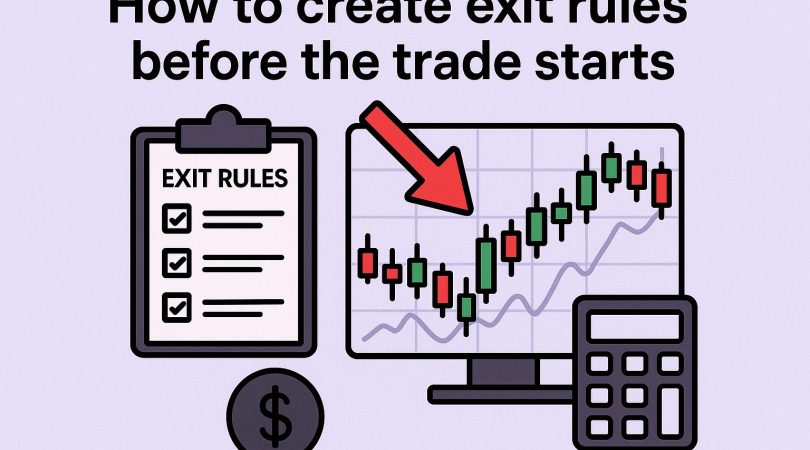
When entering a trade, having a clear plan in place for when to exit is just as essential as identifying the right opportunity to enter. Exit rules ensure that emotions don’t dictate decisions during the trade and help in minimizing losses while securing profits. Here’s a comprehensive guide on creating effective exit rules before the trade begins:

Understanding the Importance of Exit Rules

Exit rules form the core of risk management in trading. They help define the conditions under which a trade should be closed, promoting disciplined and systematic trading. Establishing these rules beforehand means traders are less likely to act impulsively or based on market noise. Trading inherently involves risk, and without a well-defined exit strategy, traders may find themselves at the mercy of fluctuating markets, leading to potential losses.

Types of Exit Strategies

Creating exit rules involves deciding on certain types of exit strategies, which can be primarily categorized into two main types: Stop Loss and Take Profit. These strategies serve as the foundation for decision-making during the trading process.

Stop Loss

A stop loss is a predefined point or percentage at which an investor is willing to accept a loss if the trade does not move in the anticipated direction. It acts as a safety net, stopping further losses and preserving capital for future trades. By placing a stop order with a particular amount in mind before initiating the trade, traders can prevent emotions from clouding judgment during a downturn.

Take Profit

A take profit is a predetermined level where the trader decides to close a trade once it reaches a specified profit level. This strategy allows traders to lock in gains and reduces the risk of a market reversal, which could erode profits. By setting this level before entering the trade, traders avoid the temptation of holding onto a position for too long, potentially watching positive returns dwindle.

Determining Exit Points

The accurate setting of exit points is pivotal to successful trading. Traders often rely on various analytical tools and market insights to determine ideal exit points. These inputs help refine the strategy and align it with personal risk tolerance and trading goals.

Technical Indicators

Technical indicators such as the Relative Strength Index (RSI), Moving Averages, and Fibonacci Retracements offer valuable insights for determining potential market exits. These indicators provide visual cues about market momentum, trends, and possible reversals. By thoroughly analyzing these metrics, traders can make informed decisions on whether to exit a trade based on expected market movements.

Market Conditions

Remaining cognizant of broader market conditions, including economic reports, political developments, and geopolitical events, can inform and influence exit strategies. External factors can create sudden market volatility, and being prepared to adjust exit rules based on new information is crucial for protecting against unforeseen market fluctuations. The ability to quickly react to changes can differentiate successful traders from those unprepared for surprises.

Consistency and Review

While establishing exit rules is critical, ensuring consistency in their application holds equal importance. An inconsistent application of exit strategies can lead to erratic trading performance and impede long-term success. Regularly reviewing and adjusting exit strategies can help traders ensure their rules align with evolving market conditions and personal trading objectives.

Backtesting

Backtesting is a valuable process that involves applying proposed exit rules to historical trading data to evaluate their effectiveness. By simulating trades under historical market conditions, traders can assess performance outcomes and make necessary adjustments without risking real capital. This process helps in identifying potential weaknesses in the strategy and refining exit rules for better future performance.

Flexibility

Though predefined rules form the backbone of an effective trading strategy, embracing flexibility when circumstances demand it is vital. Unexpected changes in market conditions can necessitate a swift adaptation of strategies to safeguard capital. Flexibility allows traders to respond to unforeseen events promptly, maintaining a balance between discipline and adaptability.

In conclusion, establishing comprehensive and adaptable exit rules before initiating any trade serves as a fundamental pillar of successful trading practice. By focusing on implementing both stop loss and take profit levels and continuously reevaluating and refining strategies in response to market developments, traders enhance their ability to execute trades that are both disciplined and profitable. For further resources on a wide array of trading strategies and financial insights, consider visiting Investopedia for detailed articles and guides tailored to various trading needs and expertise levels.