

How to stay disciplined after a winning streak

How to stay disciplined after a winning streak

Maintaining Discipline After a Winning Streak

After experiencing a successful period in any endeavor, whether in sports, business, or personal projects, maintaining discipline can be challenging. The euphoria of success can cloud judgment, leading to complacency or overconfidence. This document outlines some practical approaches to ensuring that discipline is maintained after a winning streak.

Understand the Importance of Consistent Effort

One of the core principles in sustaining success is understanding the importance of consistent effort. Achievements, whether big or small, frequently result from sustained effort and disciplined routines. Consistency ensures that the skills and strategies that yielded success do not fade away with time. Engaging regularly in tasks that contribute to success and not resting solely on past laurels ensures that discipline remains intact.

Long-term achievements are built on a series of efforts, reiterating the importance of this principle. Each day provides an opportunity to engage in consistent efforts, thereby nurturing the discipline needed to continually succeed. Recognizing this reality helps in motivating individuals to stick to their routines and practices even after tasting success.

Set New Goals

Following a winning streak, it is beneficial to set new, challenging goals. This process involves identifying new heights to strive for and further opportunities for growth. Setting goals serves to focus energy and efforts, offering a renewed sense of purpose following initial success. These new targets should align with the individual’s vision and ambitions for improvement and growth.

Embarking on new goals requires them to be specific, measurable, achievable, relevant, and time-bound (SMART goals). This structured approach encourages a disciplined pursuit of objectives, steering clear of complacency while channeling success into sustainable growth patterns. New goals essentially act as a roadmap for the future, paving the way for continued accomplishments.

Regularly Evaluate Performance

Maintaining discipline involves regularly evaluating performance. Frequent assessments highlight what strategies worked during the winning streak and identify areas needing improvement. This reflective practice safeguards against complacency that might follow success, keeping individuals focused on refining their strategies and skills.

Each evaluation should aim to answer critical questions about the strategies used, the environmental factors affecting results, and individual performance metrics. This systematic review fosters continuous improvement, encouraging individuals to adapt and evolve constantly. Regular evaluations ensure alignment with the overall strategic objectives, ensuring that discipline remains a priority.

Stay Grounded and Reflect

A winning streak might lead to inflated self-confidence. Staying grounded and maintaining humility are essential to avoid overconfidence. Taking time to reflect on achievements promotes understanding of the multifaceted nature of success, including factors outside of personal control and contributions from others.

Reflection helps acknowledge the role of teamwork and external factors in achieving success. It is an opportunity to express gratitude for the assistance and support received, contributing to maintaining a balanced perspective on one’s achievements. This self-awareness nurtures personal growth while ensuring that discipline does not waver amidst success.

Seek Constructive Feedback

Seeking constructive feedback is an important aspect of maintaining discipline. Feedback from peers, coaches, or clients provides an external perspective, revealing blind spots and areas of improvement that may be invisible to the individual alone. This openness to feedback ensures that progress does not stall after achieving success.

Constructive feedback offers a realistic image of performance, highlighting strengths and areas for improvement. Actively seeking and embracing feedback demonstrates a commitment to personal and professional development. It readies individuals for future challenges and instills a mindset oriented towards growth and continuous learning.

Maintain a Balanced Perspective

A balanced perspective on both successes and failures is vital for discipline. Neither extreme of the spectrum defines an individual entirely. Recognizing this can help in maintaining a steady path, where learning from each experience contributes to growth. It aids in preparing for future endeavors, where past experiences inform current actions.

The broader journey towards success comprises many experiences, each with its own lessons. Understanding that both highs and lows are part of the journey maintains discipline, encouraging perseverance and adherence to one’s goals.

Adopt Mindfulness Practices

Mindfulness practices are beneficial in maintaining discipline. Practices such as meditation and mindful breathing help in focusing on the present, filtering out distractions originating from past successes or failures. Mindfulness prevents dwelling on what occurred before, encouraging a concentrated effort on current tasks and goals.

Incorporating mindfulness into daily routines strengthens the mental discipline required to handle the ongoing rigors of pursuing goals. These practices aid in maintaining clarity and focus, contributing to sustained progress and ensuring that discipline remains a consistent part of one’s regimen.

In conclusion, maintaining discipline after a winning streak involves conscious efforts toward setting new goals, evaluating performance, seeking feedback, and practicing mindfulness. By focusing on these elements, individuals can sustain their momentum and continue achieving success. Prioritizing discipline assures that success is not just a fleeting moment but a sustaining achievement built on consistent effort and improvement over time. Through constant vigilance and a commitment to growth, individuals can keep their winning streaks from evolving into complacency, actively shaping their path toward future successes.
How to avoid revenge trading after a loss

How to avoid revenge trading after a loss

Understanding Revenge Trading

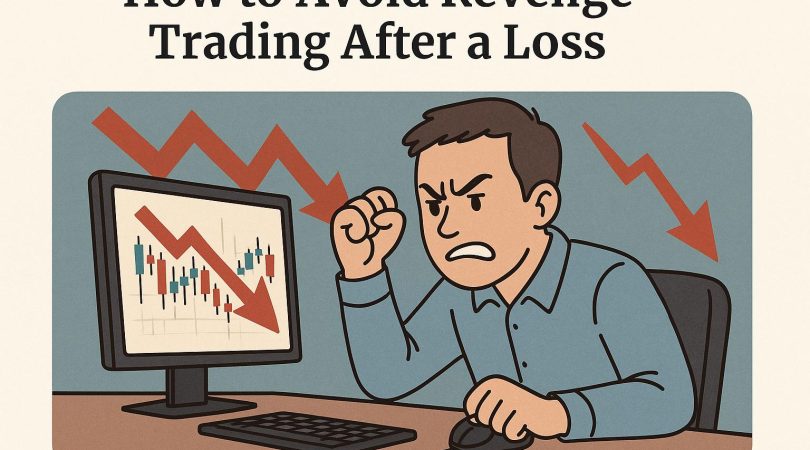
Revenge trading is a well-known challenge within the trading community, particularly among those who are relatively new to the market. When traders face a loss, their initial reaction may be emotional, leading them to execute trades hastily in an attempt to reclaim the lost money. This reaction, driven by emotions rather than strategic thinking, often results in further losses and can initiate a cycle of poor trading behaviors. The fundamental step toward preventing such scenarios is a thorough understanding of this behavioral pattern.

Recognize Emotional Triggers

The ability to identify the emotional triggers that commonly lead to revenge trading is of paramount importance. Typically, emotions such as frustration, disappointment, and anger act as these triggers. These emotions can cloud judgment and lead to hasty, often detrimental decisions. Awareness of these heightened emotional states is critical. Equally important is the adoption of techniques and tools for emotional management, which support traders in maintaining clear and objective decision-making capabilities.

Implement a Trading Plan

A well-crafted trading plan serves as a blueprint for disciplined trading and is essential in mitigating the risk of revenge trading. This plan should encompass several key components:

  • Clear Entry and Exit Strategies: Defining when to enter or exit a trade based on market conditions to avoid impulsive decisions.
  • Risk Management Rules: Establishing risk management protocols, including how much of one’s capital to risk in each trade to avoid significant losses.
  • Loss Limits: Presetting maximum acceptable losses per trade or day ensures that traders do not chase losses further into debt.

Upholding these guidelines aids in maintaining trader discipline and reduces the likelihood of emotional trading taking precedence over rational decision-making.

Utilize Stop-Loss Orders

In the marketplace, uncertainty and rapid changes can result in significant price fluctuations. To safeguard against potential losses, traders are advised to employ stop-loss orders. These are prearranged instructions to sell a security when it reaches a specified price, inherently serving as a risk mitigation tool. The automation involved means decisions are executed as planned, reducing the emotional stress associated with decision-making during periods of high market volatility.

Take a Break After a Loss

Many seasoned traders advocate for taking a break following a loss. This pause serves several functions, primarily aiding in the restoration of mental clarity. Stepping away from the trading environment allows emotions to subside. This time away is not idle; it is an opportunity to reflect, dissect past trades, and understand what errors might have transpired. Such evaluation can inform better strategies moving forward and minimize the risk of impulsive trading as a reaction to losses.

Education and Continuous Learning

Developing a robust trading mindset is an ongoing process, heavily reliant on continuous education. Keeping abreast of market trends, understanding evolving trading strategies, and reflecting on past mistakes collectively build a trader’s confidence. This educational journey lessens the occurrence of emotional trading responses. Learning resources, including articles and courses on trading psychology and detailed market analysis, are invaluable for continued growth and adaptation.

Seek Support or Professional Help

Should revenge trading behaviors become ingrained, seeking support is advisable. This can be through involvement in trading communities or consulting with professional counselors who specialize in trading psychology. Engaging with peers who have traversed similar challenges can present alternate strategies and insights, broadening one’s perspective and arsenal against revenge trading.

Ultimately, circumventing revenge trading necessitates an amalgamation of self-awareness, systematic planning, and a commitment to ongoing learning. By integrating the strategies and methodologies delineated, traders can nurture discipline and mental resilience. This dual approach assists in shielding investments from the consequences of decisions marred by emotional interference, promoting a more methodical and successful trading journey.

How to stop overtrading before it wrecks your account

How to stop overtrading before it wrecks your account

Understanding Overtrading

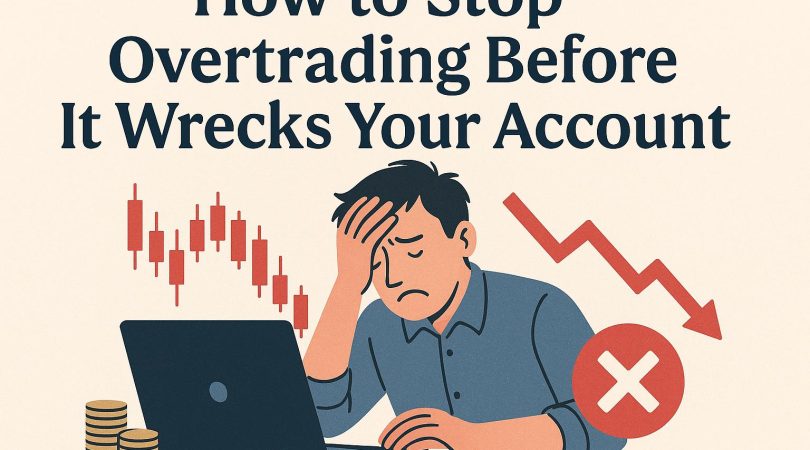
Overtrading is a common issue faced by both novice and experienced traders. It refers to the practice of making too many trades, often without a strategic plan. This behavior can lead to significant financial losses, an increased risk of burnout, and a depletion of trading account funds. Understanding the causes and consequences of overtrading is crucial for maintaining a healthy trading approach.

Causes of Overtrading

Several factors contribute to overtrading. One primary cause is the desire to make quick profits. Traders may believe that the more they trade, the higher their chances of achieving substantial returns. This mindset often ignores the associated risks and can lead to hasty decision-making. Another factor is emotional trading, where decisions are driven by fear, greed, or the urge to recover losses swiftly. Emotional trading can cloud judgment, resulting in impulsive actions that deviate from rational trading strategies. Additionally, market volatility might tempt traders to make frequent trades, anticipating rapid price changes. Prices in volatile markets can fluctuate significantly within short periods, creating a perceived opportunity for quick gains.

Recognizing the Signs

To combat overtrading, it is essential to recognize its warning signs. Some indications include a high volume of trades in a short period and frequently adjusting trading strategies without clear justification. A trader may also experience emotional stress related to trading activities, which can manifest as anxiety, frustration, or even indecision. By identifying these signs early, traders can take corrective measures before significant damage occurs. Monitoring one’s trading behavior through regular assessments can be a vital component of recognizing these signs. Additionally, keeping a trading journal can offer insights into patterns and emotional triggers that may lead to overtrading.

Implementing Control Measures

Adopting a disciplined approach can effectively reduce overtrading. Here are some strategies that traders can implement:

Developing a Trading Plan: A well-defined trading plan is foundational to informed decision-making. An effective trading plan should include criteria for initiating and exiting trades, risk management strategies, and a detailed analysis of market conditions. It serves as a roadmap, guiding traders through the complexities of the market and helping to minimize emotional influence.

Setting Limits: Establishing daily or weekly trading limits can act as a checkpoint. Once these limits are reached, traders should pause and reassess their strategies instead of proceeding with additional trades. Setting these boundaries helps maintain control and reduces the likelihood of succumbing to market temptations.

Focusing on Quality Over Quantity: Rather than making numerous trades, traders should prioritize high-quality opportunities. This shift in focus requires patience and the ability to assess the market accurately. High-quality trades are typically characterized by a thorough analysis of potential risk-reward scenarios and alignment with the trader’s plan.

Utilize Technology and Resources

There are various tools and resources available to assist traders in controlling overtrading. Modern trading platforms often provide features such as trade alerts and reminders, which can help traders adhere to their plans by signaling when certain market conditions or limit thresholds are met. Utilizing such technological features enables traders to maintain discipline and stay aligned with their pre-established criteria.

Educational resources and courses can further enhance trading skills and psychological discipline. Many platforms offer webinars, tutorials, and workshops focusing on different markets, trading techniques, and psychological resilience. These resources are invaluable in promoting lifelong learning and adapting to ever-changing market dynamics.

Seeking guidance from experienced traders or mentors can also provide perspective and insights. Engaging with a community of traders fosters an environment of shared knowledge and support, which is beneficial for developing a balanced approach to trading.

By understanding the root causes of overtrading and applying strategic measures, traders can safeguard their accounts and promote sustainable trading practices. These steps not only mitigate the risks associated with excessive trading but also contribute to long-term success in the financial markets.

Traders should remain vigilant and continuously evaluate their strategies, ensuring they remain flexible yet consistent with their trading principles. By doing so, they can achieve a productive balance between risk management and opportunity exploration, fostering a sustainable trading career.

How much capital you really need to trade

How much capital you really need to trade

The Basics of Trading Capital

Understanding how much capital you need to start trading is crucial for anyone entering the financial markets. The amount differs based on the financial instruments you choose, your risk tolerance, and your trading strategy. Unlike other investments, trading offers the flexibility to start with modest amounts, but it’s important to be well-informed before taking the plunge.

Factors Influencing Your Initial Capital

It’s essential to consider several factors when determining your starting capital for trading. Notably, the type of asset, the trading platform’s requirements, and your risk management strategies play a significant role.

Asset Type

The type of asset you wish to trade—stocks, forex, options, or cryptocurrencies—will significantly affect how much capital you’ll need. For instance, trading in stocks generally requires more capital than trading in forex due to the different margin requirements and market dynamics. Each asset type has its own set of rules, and understanding these is crucial.

Brokerage Requirements

Many brokerage firms have specific minimum deposit requirements. These minimums can vary widely, often depending on the type of account and the services offered. Some brokers might allow you to start with no minimum deposit for a basic account, while others may expect at least $500 or more for accounts with better features.

Risk Management

Effective risk management is a cornerstone of successful trading. Generally, it is advisable to risk only a small percentage of your total capital on any single trade. This strategy helps protect against significant losses and ensures longevity in the trading arena. For instance, risking 1-2% of your capital per trade is a common guideline among traders. For more detailed strategies, consider exploring various risk management techniques.

The Role of Leverage

Leverage allows traders to control a larger position size than what they could with their available capital alone. While leverage can amplify gains, it equally increases the risks. As such, understanding how leverage works and choosing an appropriate level can greatly influence the amount of capital you initially require.

Understanding Margin

Using leverage means trading on margin, where you essentially borrow funds from your broker to increase your buying power. However, this requires maintaining a margin account and understanding the associated risks. Brokers typically have rules pertaining to margin calls and maintenance requirements, which must be thoroughly comprehended before trading with leverage.

Determining Your Capital Requirement

Determining the amount of capital to start with largely depends on your personal financial situation and trading goals. Here are a few considerations:

Short-Term vs. Long-Term: If you plan on short-term trading, also known as day trading, the capital requirements might be higher due to the need for frequent transactions, each incurring commissions and fees. Long-term trading may allow for a smaller initial capital but requires patience and a different strategic approach.

Goals and Expectations: Your financial goals will also play a role. Whether you are looking to supplement your income or make trading your primary source of earnings, having realistic expectations and aligning them with your available capital is vital.

Conclusion

While there is no one-size-fits-all answer to how much capital you need to start trading, careful consideration of the factors listed above can guide you in making an informed decision. Balancing between risk and potential reward is key to determining a suitable starting capital. As a potential trader, investing time in education and risk management is as invaluable as the capital itself.

Psychological Factors and Trading Capital

Aside from the obvious financial considerations, psychological factors often play a substantial role in how you manage your trading capital. Emotions such as fear and greed can lead to impulsive decisions and undermine otherwise sound strategies. Maintaining discipline and sticking to a predefined plan is crucial for protecting your capital.

Emotional Discipline: One of the most challenging aspects for new traders is emotional discipline. The ability to stick to a trading plan without deviation due to emotional highs and lows can safeguard your capital over the long run. Proper training, simulation and demo trading accounts can help in preparing emotionally before engaging in real trades.

Educational Investments

While talking about capital, one should not overlook the capital invested in education. Understanding market dynamics, learning technical and fundamental analysis, and mastering trading platforms can significantly influence your capital requirement. A well-informed trader can often start with less capital due to the precision and efficiency in trading decisions.

Educational resources range from free online courses and webinars to specialized training programs and certifications. Although these resources can initially add to the capital outlay, they are essential for long-term success and can minimize costly mistakes due to lack of knowledge.

Technology’s Role in Trading Capital Management

Technology has introduced numerous tools to aid in managing and optimizing trading capital. Platforms today come equipped with advanced analytics, automated trading options, and real-time data, allowing even novice traders to make informed decisions. The technological landscape offers features such as:

Automated Trading Systems: These systems can execute trades automatically based on pre-set criteria, helping in mitigating emotional trading and ensuring adherence to trading strategies.

Algorithmic Trading: Utilizing algorithms to analyze multiple market variables and execute trades can offer efficiencies in capital deployment and management.

Mobile Trading: Access to trading platforms on mobile devices ensures that you can monitor and manage your capital at all times, adding a layer of convenience and flexibility in trading operations.

Adapting to Market Changes

Financial markets are dynamic and ever-evolving. Traders need to be adaptable and ready to adjust their capital management strategies in response to changing market conditions. Being inflexible can leave you exposed to unforeseen risks and impact your capital adversely.

Market Awareness: Regularly staying informed about market news, economic indicators, and geopolitical events allows traders to anticipate market movements and adjust their strategies accordingly. This awareness can guide decisions on when to increase or decrease trading capital or explore new asset types.

Re-Evaluation of Strategies: Periodically re-evaluating and refining trading methodologies can uncover areas for improvement, effectively managing capital and reducing exposure to unnecessary risks. Frequent strategy audits enable timely adjustments tailored to current market conditions.