
Understanding Position Sizing for Smaller Trading Accounts
Position sizing is a critical aspect of trading that can significantly impact your overall performance, especially when dealing with smaller trading accounts. Proper position sizing helps in minimizing risks and maximizing returns. This article delves into the rules and strategies essential for effectively managing position sizes in smaller trading accounts.
Importance of Position Sizing
Position sizing refers to the determination of the number of units to be purchased or sold in any individual trade. It’s essential because it directly affects the potential risk and reward of a trade. For smaller accounts, even a single poorly sized position can lead to substantial losses, making it crucial to adopt strategies that are both risk-averse and growth-oriented.
Risk Management Basics
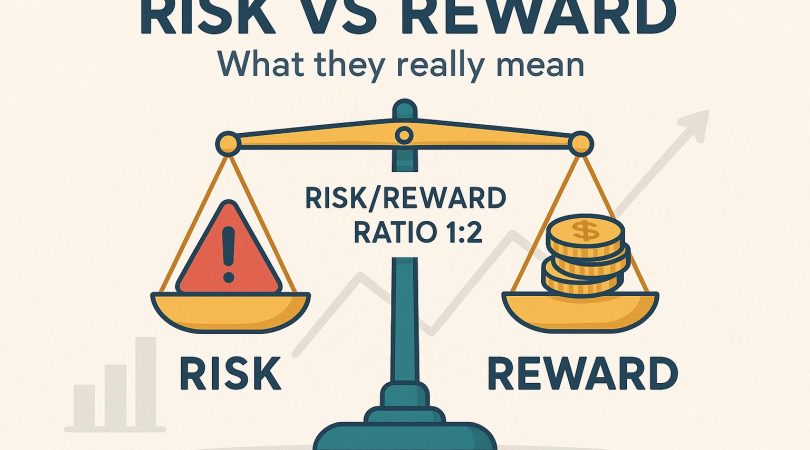
Before diving into specific techniques for position sizing, it’s essential to understand the basics of risk management. Generally, it is recommended not to risk more than a small percentage of your trading capital on a single trade. Many traders adhere to the 1-2% rule, which means risking only 1-2% of the total account value per trade. This limits potential losses and preserves capital for future opportunities.
Effective risk management also incorporates setting clear financial goals and using tools like stop-loss and take-profit orders. These tools help automate part of the trading process, providing a framework for thinking strategically about risk and avoiding emotional decision-making. By setting these parameters in advance, you ensure a disciplined approach, helping to prevent hasty decisions in the heat of market fluctuations.
Calculating Position Size
The process of determining the correct position size involves a few key steps:
Determine Your Risk Per Trade: Decide the percentage of your account you’re willing to risk. For small accounts, it is advisable to keep this percentage low. This framework ensures that no single trade can deplete your account significantly, providing a buffer for potential losses while maintaining capital for subsequent trading opportunities.
Identify the Trade Setup: Determine the entry point and set a stop-loss level. The stop-loss is the price at which the position will be closed to prevent further loss. Setting a stop-loss at a logical point helps protect your account from significant drawdowns by automatically liquidating positions if the market turns against your trade.
Calculate the Dollar Amount at Risk: Multiply the value of your account by the percentage you’re willing to risk. For example, if your account is $5,000 and you risk 2%, your risk amount is $100. This calculation sets the foundation for future steps and ensures you’re aware of the maximum potential loss before entering a trade, fostering a risk-aware trading mindset.
Calculate the Position Size: Divide the dollar amount at risk by the distance from entry to stop-loss. This will give you the number of shares or contracts that you can trade on that position. Proper calculation of position size guarantees that you do not exceed your risk threshold, allowing for a calculated exposure to market movements.
Example Calculation
Suppose you decide to buy a stock at $50 with a stop-loss set at $48. Your risk per share is $2. If your account value is $5,000 and you risk 2% or $100, your position size would be:
Position Size = $100 / $2 = 50 shares
This example underscores the importance of detailed preparation and strict adherence to trading plans. The precise calculation of position size is not just a theoretical exercise but a practical step that helps cultivate a disciplined, systematic approach to trading.
Additional Strategies for Smaller Accounts
When managing smaller accounts, there are additional strategies to consider:
Diversification: Even with a small account, diversifying across different assets can help mitigate risk. Avoid putting all your funds into a single position. Diversification spreads risk across various trades or asset classes, reducing the impact of a single poor-performing asset on your overall portfolio.
Use of Stop-Loss Orders: Stop-loss orders are essential tools for controlling potential losses. They automatically exit a trade when the market moves against you to a certain point. Utilizing stop-loss orders ensures an automated level of risk management, safeguarding your account from significant declines in market value.
Leverage Management: While leverage can amplify potential returns, it can also magnify losses. Be cautious in using leverage, especially with smaller account sizes where the margin of error is limited. By managing leverage prudently, you maintain greater control over your risk exposure, securing your account from aggressive market movements that could otherwise erode your capital.
Continuous Learning and Adaptation: Markets are dynamic, and strategies that work at one time may not work at another. Continuously educate yourself and adapt to changing market conditions. Staying informed and flexible enhances your ability to navigate different market environments and capitalize on emerging opportunities.
The continual evaluation and refinement of your strategies enhance your adaptability and resilience in changing market conditions, allowing for sustained trading success over time.
Conclusion
Position sizing is a fundamental element of trading that can make or break your trading experience, particularly when dealing with smaller accounts. By adhering to disciplined position sizing rules and employing robust risk management techniques, traders can enhance their chances of success while minimizing potential losses. Understanding the principles of careful and calculated position sizing ensures a solid foundation for your trading endeavors, helping to ensure that your capital is protected while you seek growth opportunities in the financial markets. This disciplined approach complements ongoing education and strategy development, providing a structured way to manage risk while pursuing your trading objectives.